
The World Report on Violence and Health
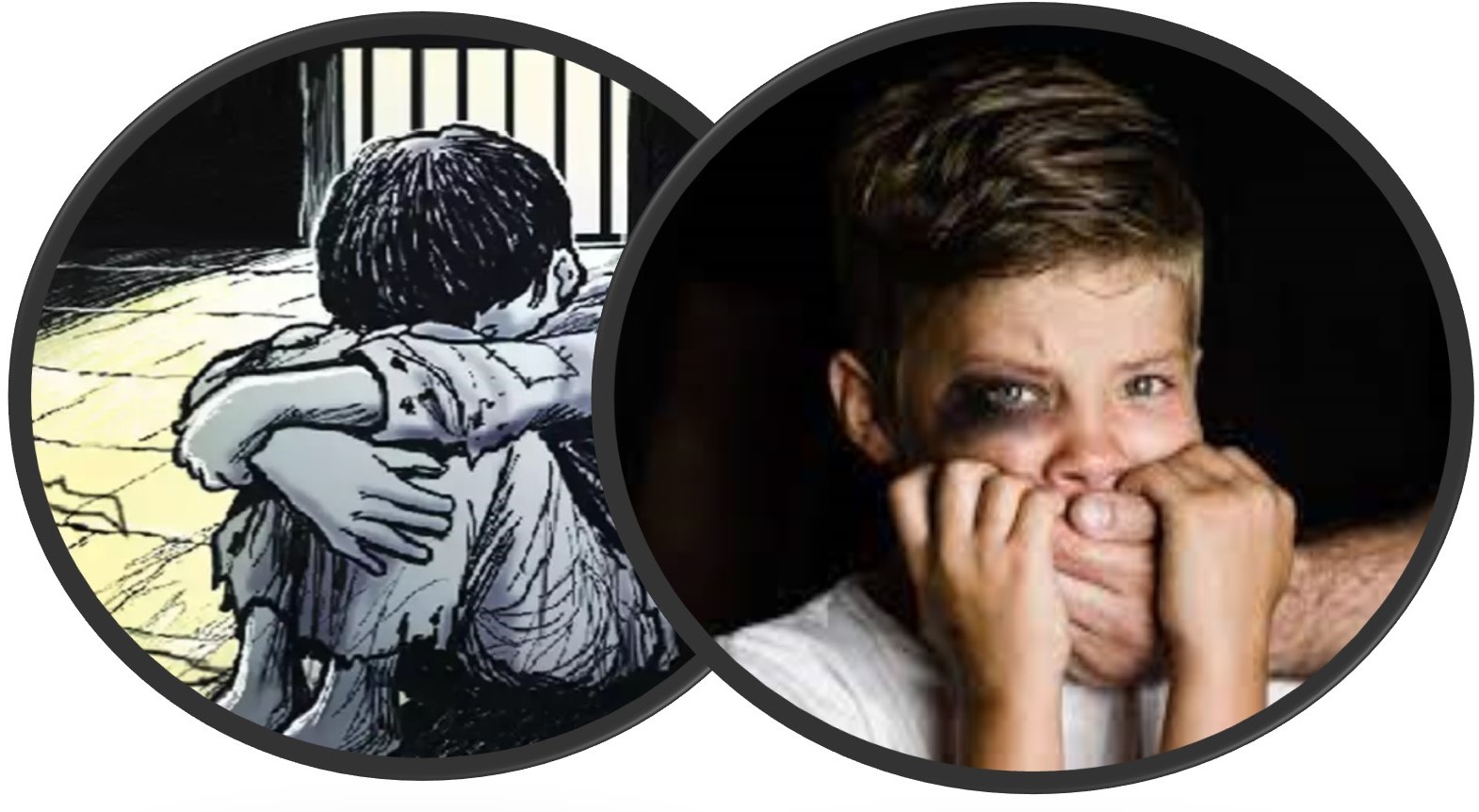
The World Report on Violence and Health, released by the World Health Organization (WHO) (1), presented the issue of violence against children as a public-health problem that has a global magnitude. In the same year (2002), the member nations of the United Nations (UN) pledged to meet eight Millennium Development Goals by 2015 (2). Six of these goals are directly related to children, and all are closely linked to the commitment made at the Special Session on Children of the UN General Assembly in 2002 that all governments would work to promote and protect the rights of every child (3).
Mubashir Bhutta Advocate ,chairman of MBHRT Mubashir Bhutta Human Rights Trust and Chairman of Human Rights Committee of Pakistan shows serious concern on this human rights violations and express views that this report is eye opener for our society and government has to tackle this issue and it is need of practical effort.s WHO defines violence as “The intentional use of physical force or power, threatened or actual, against oneself, another person, or against a group or community that either results in or has a high likelihood of resulting in injury, death, psychological harm, maldevelopment or deprivation”(1). This definition captures the range of potential and actual violence perpetuated on people, including children, the most vulnerable group. For example, an estimated 57,000 deaths have been attributed to homicide among children aged less than 15 years in 2000 (3). The global estimates of child homicide suggest that infants and very young children, aged 0-4 year(s), are at the highest risk, while children in lower-income countries are at a higher risk compared to those in high-income countries. The highest rates of homicide for children aged less than five years are in the African Region (AFRO) at 17.9 per 100,000 for boys and 12.7 per 100,000 for girls (3).
Violence against children occurs in different forms (physical, sexual, neglect, emotional and psychological) and at multiple levels (individual, household, institutional, and societal). A WHO Consultation on Child Abuse Prevention recognized violence against children as a growing public-health and development problem and defined child abuse as “Child abuse and maltreatment constitutes all forms of physical and/or emotional ill-treatment, sexual abuse, neglect or negligent treatment or commercial or other exploitation, resulting in actual or potential harm to the child’s health, survival, development or dignity in the context of a relationship of responsibility, trust or power” (3). Establishing the precise magnitude of child abuse for any given country is very difficult. Even in wealthy countries, recognizing and measuring the incidence of fatal violence such as infanticide is problematic due to underreporting and misclassification of deaths. The situation in developing countries is even more challenging due to a mix of poor health-information systems, faulty legal and police structures, and sociocultural stigma (3). Data on non-fatal abuse is even harder to collect because of different legal and cultural definitions of abuse and neglect across countries. Such cases are more underreported even in countries where mandatory reporting mechanisms exist.
Violence against children occurs throughout the world, including South Asia, which has 23% of the world’s population and is one of the world’s poorest regions (4). In countries, like India, Bangladesh, Bhutan, Nepal, and Pakistan, child labour, child sexual abuse and prostitution, child trafficking and homelessness are commonly reported issues. The largest number of working children in the world—between 40 and 115 million child workers aged 5-14 years—are found in India (5). Data from a 1995 Bangladesh survey of children aged 10-15 years in 150 villages revealed that 21% were in the labour force (6).
Pakistan is a developing country in South Asia with a population of 153 million and a per-capita gross national income of US$ 420 (4). Of the total population, 43% are children aged less than 15 years (7), and according to the World Bank (4), poverty remains a serious concern in Pakistan, with 33% of the population living under the poverty-line, with a literacy rate of 44%. Pakistan ranks 138 on the Human Development Index (8). Pakistan is struggling to make its general and specific environment conducive for meaningful and sustainable advancement in terms of all aspects of human development. Importantly, Pakistan ratified the UN Convention on the Rights of the Child in 1990.
The paper examines the situation of violence against children in Pakistan. Its overall goal is to assess the current state of knowledge on violence against children in the country. The specific objectives are to conduct a systematic review of the literature on violence against children, to understand the nature and context of this problem, to estimate the magnitude of violence against children in Pakistan as a public-health problem, and to define critical gaps in existing knowledge for public-health research and policy.