
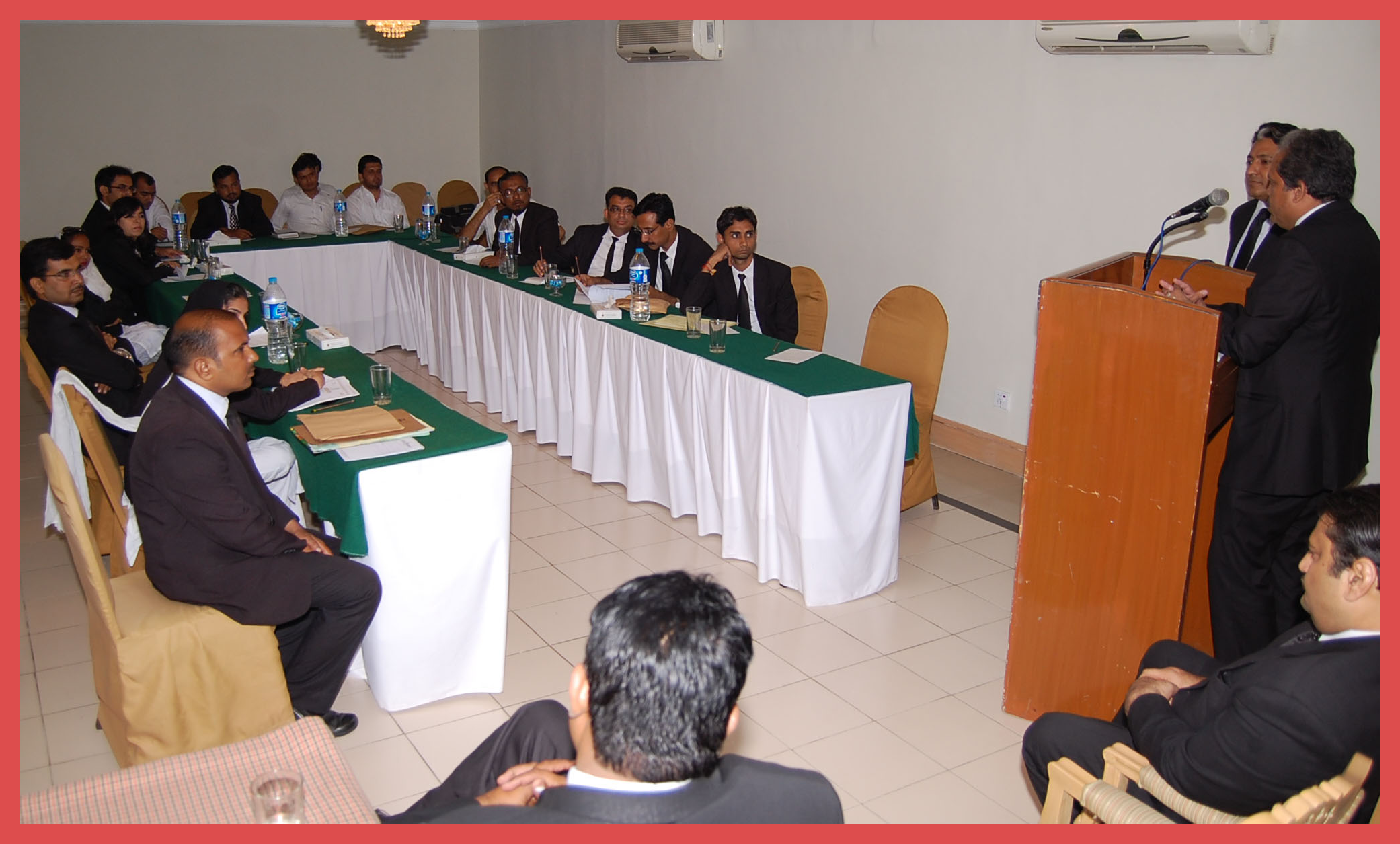
May 2020,Seminar on Corruption in police and corruption in Judiciary, biggest problem.
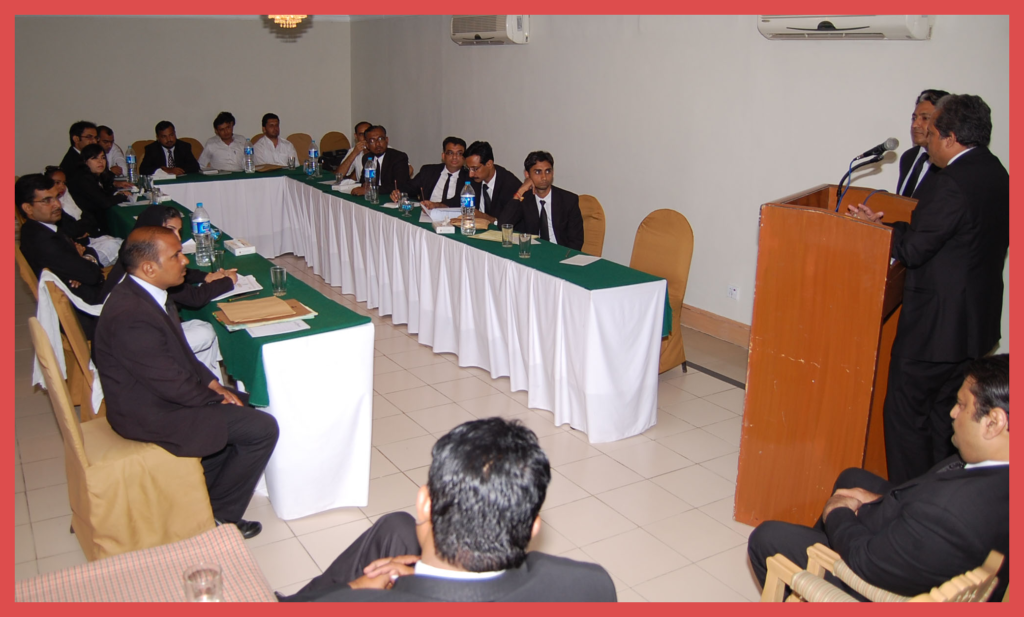
May 2020
Seminar on Corruption in police and corruption in Judiciary, biggest problem. This seminar was organized by the Mubashir Bhutta Human Rights and The law society of Pakistan, senior lawyers participated and deliver the lectures including senior lawyer Mr.Salim Salam Ansari advocate, Mr.Safeuddin awan advocate. While delivering the lecture Mr.Mubashir Bhutta Advocate said that Corruption in the police force is a serious problem in many countries, including Pakistan. When police officers engage in corrupt practices, they can undermine the rule of law and the trust between the police and the communities they serve.
Corruption in the police force can take many forms, including bribery, extortion, embezzlement, and abuse of power. Police officers may demand bribes in exchange for performing their duties, such as investigating crimes or issuing permits. They may also extort money from citizens through threats of arrest or violence. Additionally, police officers may misuse their power to enrich themselves, such as by embezzling funds or misusing government resources.
The consequences of police corruption can be severe. It can lead to a lack of trust in law enforcement, which can in turn lead to underreporting of crimes and a breakdown of public order. It can also exacerbate existing inequalities and contribute to human rights violations.
To address corruption in the police force, it is important to strengthen legal and oversight mechanisms to ensure that police officers are held accountable for their actions. This may include improving training for police officers, increasing transparency and accountability, and ensuring that victims of police abuse have access to justice and redress. Additionally, promoting a culture of ethics and integrity within the police force can help to prevent corruption.
Civil society organizations, human rights groups, and the media can also play an important role in exposing cases of police corruption and advocating for reforms to prevent such abuses from occurring in the future.
He further added that Corruption in the judiciary is a serious problem in many countries, including Pakistan. When judges engage in corrupt practices, they can undermine the rule of law and the trust of citizens in the judicial system.
Corruption in the judiciary can take many forms, including bribery, influence-peddling, and nepotism. Judges may accept bribes in exchange for making favorable rulings or may be influenced by political or economic interests. They may also engage in nepotism, such as appointing family members or friends to positions within the judicial system.
The consequences of judicial corruption can be severe. It can lead to a lack of trust in the judicial system, which can in turn lead to a breakdown of public order and increased levels of violence. It can also perpetuate existing inequalities and contribute to human rights violations.
To address corruption in the judiciary, it is important to strengthen legal and oversight mechanisms to ensure that judges are held accountable for their actions. This may include improving training for judges, increasing transparency and accountability, and ensuring that victims of judicial abuse have access to justice and redress. Additionally, promoting a culture of ethics and integrity within the judiciary can help to prevent corruption.
Civil society organizations, human rights groups, and the media can also play an important role in exposing cases of judicial corruption and advocating for reforms to prevent such abuses from occurring in the future.